
Mission
Make political, economic and security change across Eurasia more legible for institutions making consequential cross-border decisions.
About CGI
Caspian Gate Intelligence is a Tokyo-registered geopolitical research and open-source consultancy focused on Russia, the five Central Asian states and the Caucasus.

We examine change in the Eurasian interior from East Asia, bridging regional country expertise with disciplined open-source research. Our work is designed for multinational companies, public institutions and investors navigating complex decisions.
Mission
Make political, economic and security change across Eurasia more legible for institutions making consequential cross-border decisions.
Vision
A stronger information bridge between East Asia and the Eurasian interior, built on evidence, regional context and responsible analytical judgment.

From its Tokyo base, CGI follows how policy and commercial priorities in Japan and South Korea shape engagement with Central Asia, while drawing on Eurasian academic expertise and Central Asian diplomatic communities in Japan.
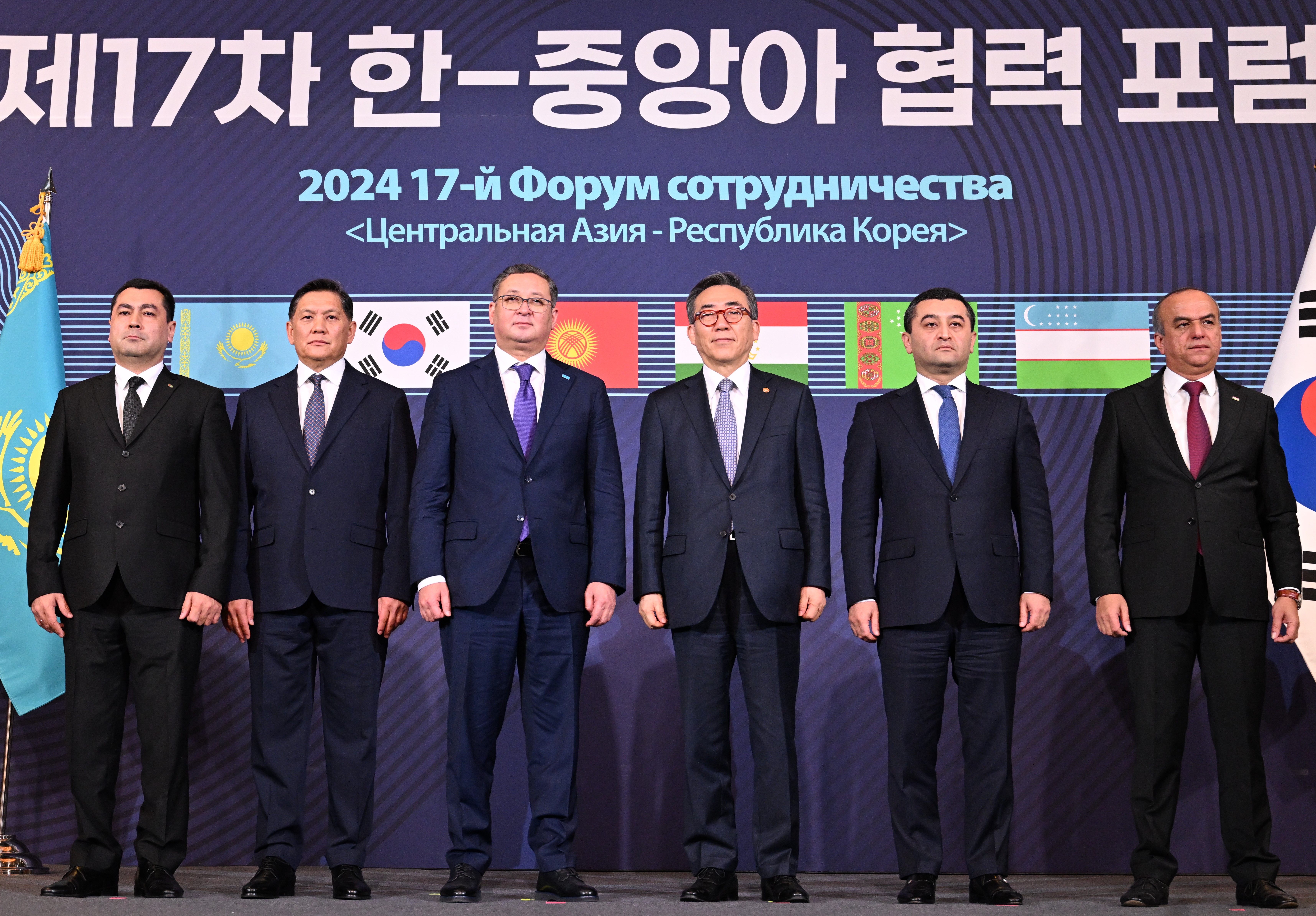
We separate verified information, analytical judgment and unresolved uncertainty.
Signals only become useful when institutions, history and local incentives are understood.
Research is structured around the practical question a client needs to answer.
Continuous assessment of the political, economic and security signals that can change market access, operating conditions or strategic exposure.
Best suited to
Multinational companies, public institutions and investors with continuing regional exposure.
What the work covers
Country and regional event monitoring, policy change, sanctions and trade restrictions, elite and institutional dynamics, border and security developments.
Typical outputs
Country analysis that connects formal institutions with local incentives, political economy and implementation capacity.
Best suited to
Strategy, market-entry, investment and public-policy teams evaluating a country or sector.
What the work covers
Political institutions, economic policy, regulatory direction, strategic sectors, trade corridors, resource economics and scenario development.
Typical outputs
Question-led investigations built from traceable public evidence rather than a stream of unstructured information.
Best suited to
Decision-makers who need a defensible view of a specific actor, event, location, network or infrastructure question.
What the work covers
Multilingual media, public records, corporate and policy documents, imagery, source verification, timelines and evidence comparison.
Typical outputs
Focused research and direct briefing support designed around a defined decision, audience and timeframe.
Best suited to
Boards, executive teams, government units and investors preparing for a decision, visit, negotiation or review.
What the work covers
Research framing, tailored country or issue analysis, decision scenarios, executive Q&A and follow-on monitoring.
Typical outputs
Regional developments are interpreted through the practical interests and information needs of institutions operating from Japan, South Korea and wider East Asia.
English, Japanese and Russian source environments are considered alongside regional country context and source provenance.
Political risk, economic policy and security conditions are assessed together rather than treated as separate information streams.
The research question, audience and required action determine the format, depth and monitoring horizon.
Define the decision, geography, timeframe and acceptable evidence threshold.
Collect and classify multilingual public evidence, recording provenance and uncertainty.
Compare competing explanations, regional incentives and implementation constraints.
Present a concise assessment, decision implications and the indicators that may change the view.